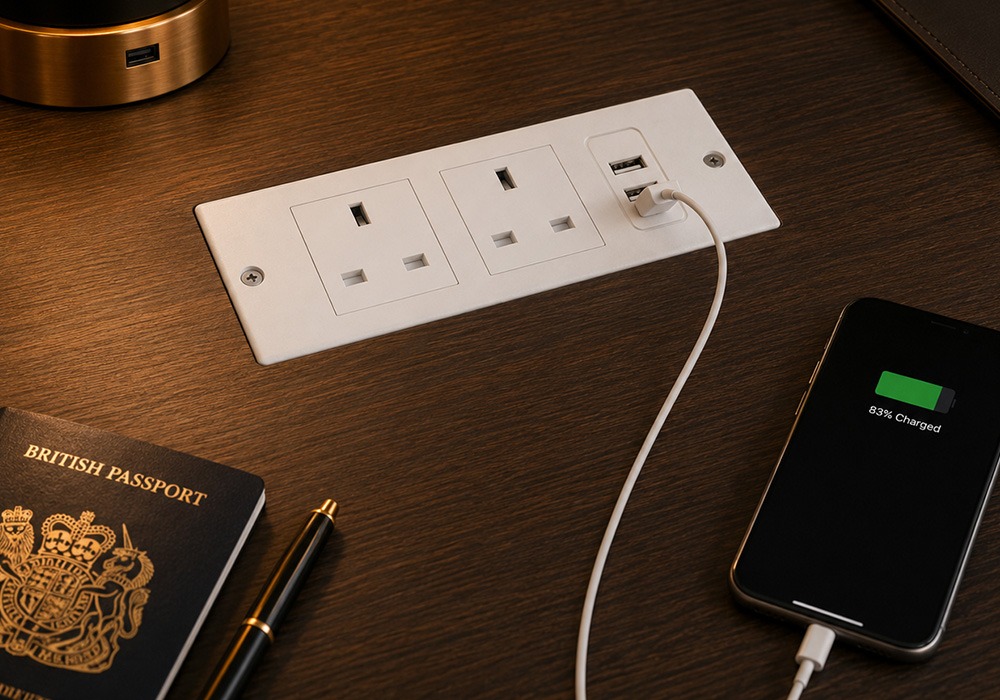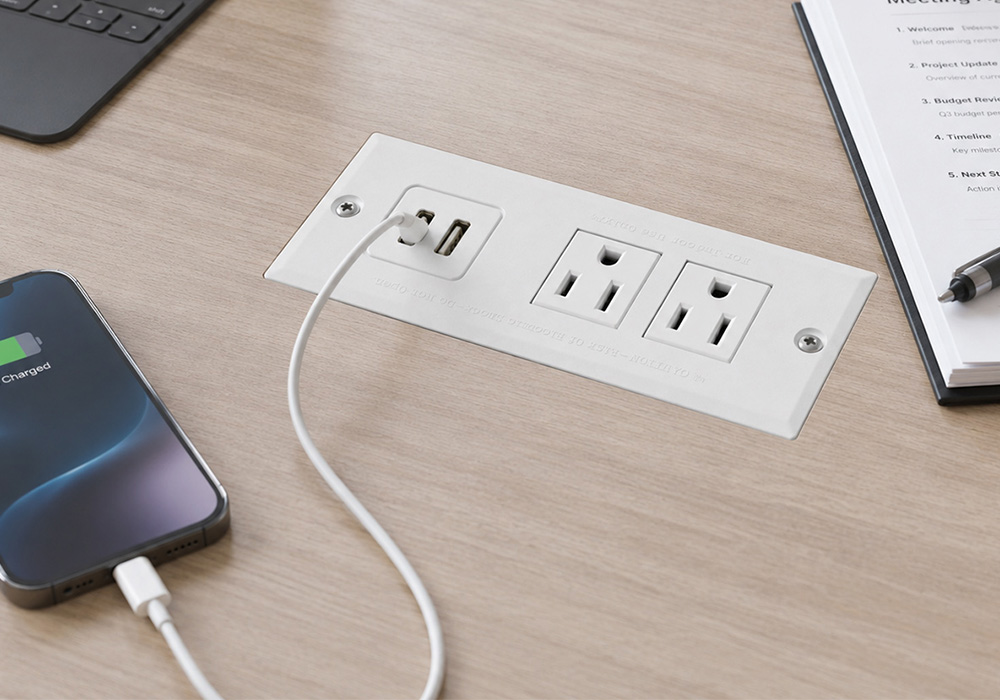

The cross-border consumer electronics and small home appliance sectors have long been key focus areas for global retailers, wholesalers, and cross-border sellers. Many merchants looking to enter Western markets—such as those in the U.S. and Europe—often encounter obstacles related to regulatory compliance, incompatible technical specifications, or unstable supply chains. These issues frequently lead to significant financial losses, including the seizure of goods, the removal of online store listings, and the loss of customer orders. Shenzhen Fentesi Technology Co., Ltd. has spent years specializing in the R&D and manufacturing of consumer electronics. The company offers comprehensive solutions tailored to specific regional standards—including the U.S. (MJ22), EU (MJE22), and UK (MJB22) specifications—covering a wide range of product categories such as solar energy storage systems, health and beauty devices, automotive electronics, Bluetooth-enabled aromatherapy appliances, and custom wiring harnesses. By partnering with Fentesi, clients can capitalize on current market opportunities, ensure regulatory compliance, and achieve stable, long-term profitability.
Regarding overseas market policies, the U.S., the EU, and the UK have increasingly clarified their entry requirements for low-voltage small appliances and energy storage electronics. In the U.S., products must adhere to CPSC (Consumer Product Safety Commission) safety regulations and FCC electromagnetic compatibility (EMC) standards; all small appliances, energy storage devices, and health-related electronics—including their plugs and power components—must strictly meet U.S. specifications. In the EU, products are subject to the LVD (Low Voltage Directive), the EMC Directive, and the RoHS (Restriction of Hazardous Substances) directive. Furthermore, the General Product Safety Regulation (GPSR) is becoming increasingly stringent, with non-compliant goods subject to interception during customs clearance. Following Brexit, the UK has implemented its own independent UKCA (UK Conformity Assessed) framework, which mandates the use of UK-standard plugs and power components. Many domestic Chinese manufacturers focus solely on “universal” product designs, lacking dedicated solutions for the UK market—a gap that has caused many wholesalers to miss out on valuable business opportunities in the UK.
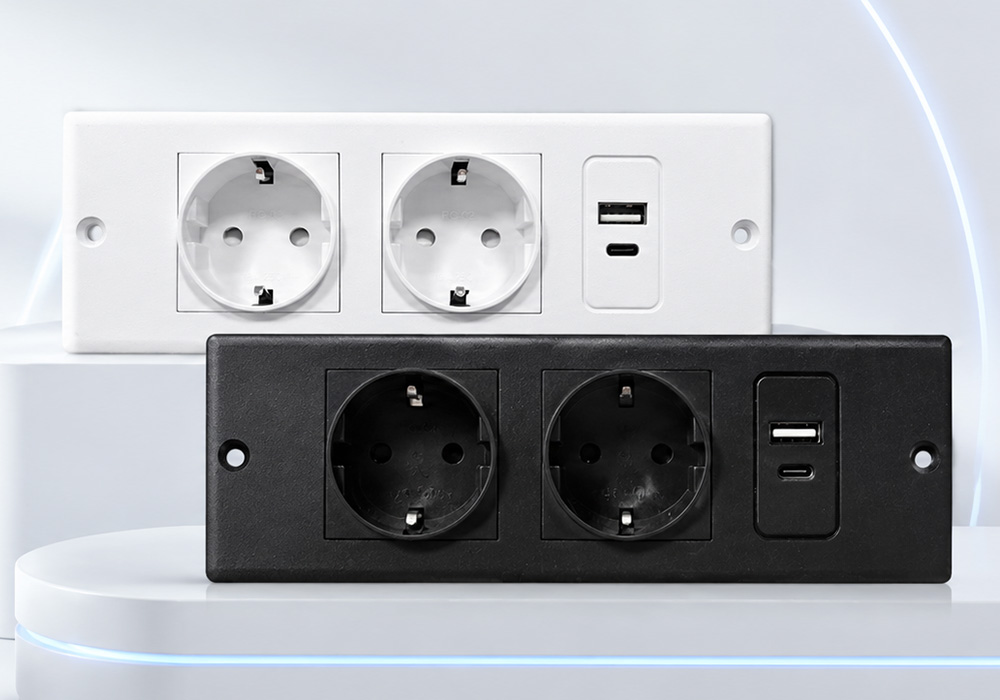
Market opportunities are clearly visible: rising energy costs are driving sustained demand for solar-powered energy storage units, solar-powered televisions, and solar-powered fans—with high repeat-purchase rates among overseas homeowners (for garden use), RV owners, and off-grid households. The health and wellness sector is also heating up; products such as sleep monitors, pulse oximeters, magnetic shoulder massagers, and facial cleansing/hydrating beauty devices have become “hit” items on e-commerce platforms, serving as daily essentials for many households in Europe and North America. Meanwhile, the automotive aftermarket continues to expand, with items like vehicle lighting, push-to-start switches, and automotive wiring harnesses becoming high-volume staples for auto parts shops and modification garages. Small, lightweight consumer electronics—such as Bluetooth speakers, lawn lights, motion-sensor wardrobe lights, and aroma diffusers—offer moderate price points and high turnover, making them ideal for distribution across supermarkets, independent e-commerce sites, Amazon, and AliExpress. Furthermore, various Type-C data cables, DC power cords, UV-resistant solar wiring harnesses, and internal equipment wiring serve as essential consumables; these generate consistent repeat orders and provide a stable, long-tail profit stream.
Many suppliers in the market offer only a single specification. If a client wishes to target the U.S., EU, and UK markets simultaneously, they would typically need to coordinate with three separate factories—drastically increasing costs related to communication, sampling, and quality inspection. This also introduces risks, such as inconsistent product quality across batches or missing compliance documentation. The core advantage of Fentesi Technology lies in its one-stop solution: we provide mature, market-ready versions for the U.S. (MJ22), EU (MJE22), and UK (MJB22) standards. The same product can be configured to meet the specific requirements of each region, complete with all necessary safety certifications and test documentation. Clients can cover all three major markets—the U.S., EU, and UK—through a single supplier, eliminating the need to fragment their supply chain.
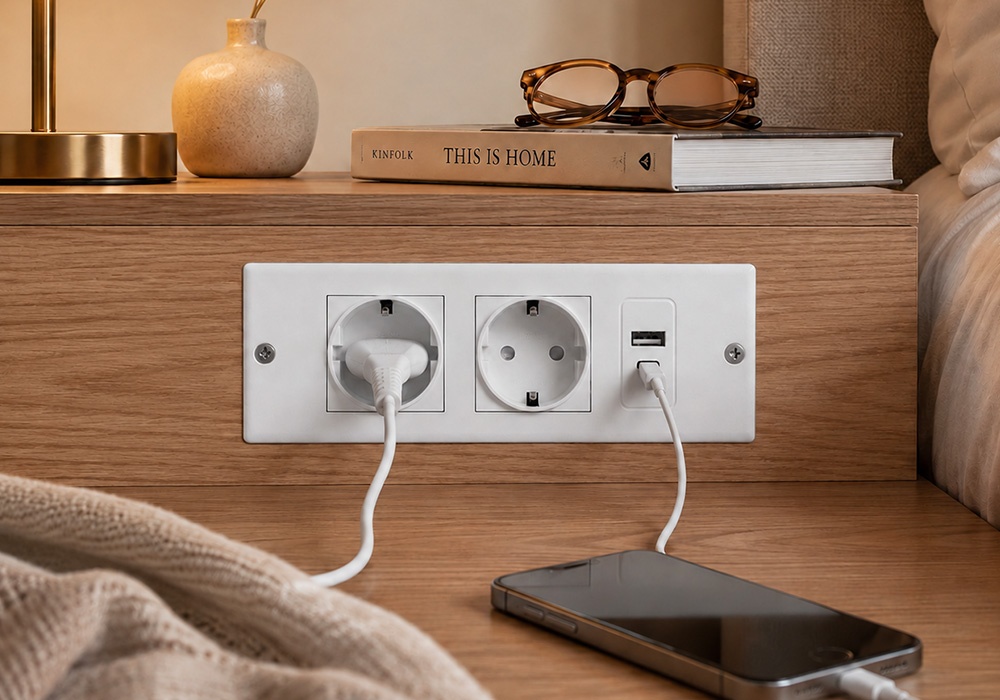
For wholesalers and cross-border sellers, this translates to lower costs of trial and error, faster product launch cycles, and a broader customer base. You can simultaneously target independent online stores in the U.S., retail chains in the EU, and brick-and-mortar shops in the UK—all while using the same product molds and simply swapping out the configuration to meet regional standards—thereby significantly reducing inventory pressure. Based in Shenzhen, Fentes maintains its own R&D, production, and quality control teams. The company manages the entire process in-house—from structural design and circuit board debugging to specification matching and custom wiring harness fabrication—ensuring rapid execution for both standard off-the-shelf products and customized internal wiring or functional modifications.
Regulatory compliance serves as a protective moat for your profit margins. Numerous recent cases have shown that sellers often face severe setbacks—such as having entire container shipments held at ports or returned—due to plugs or power supply solutions that fail to meet local regulations. This results in the loss of both shipping costs and the value of the goods, alongside potential penalties from e-commerce platforms, effectively wiping out all initial investments. By choosing Fentes’ mature, compliant solutions—such as the MJ22 (US standard), MJE22 (EU standard), or MJB22 (UK standard)—you can align with the regulatory requirements of your target markets from the outset. This allows you to bypass trade barriers at the source, confidently capitalize on global demand across sectors like solar energy, health and beauty, automotive electronics, and ambient home appliances, and ultimately secure stable sales, reliable revenue, and long-term profitability.