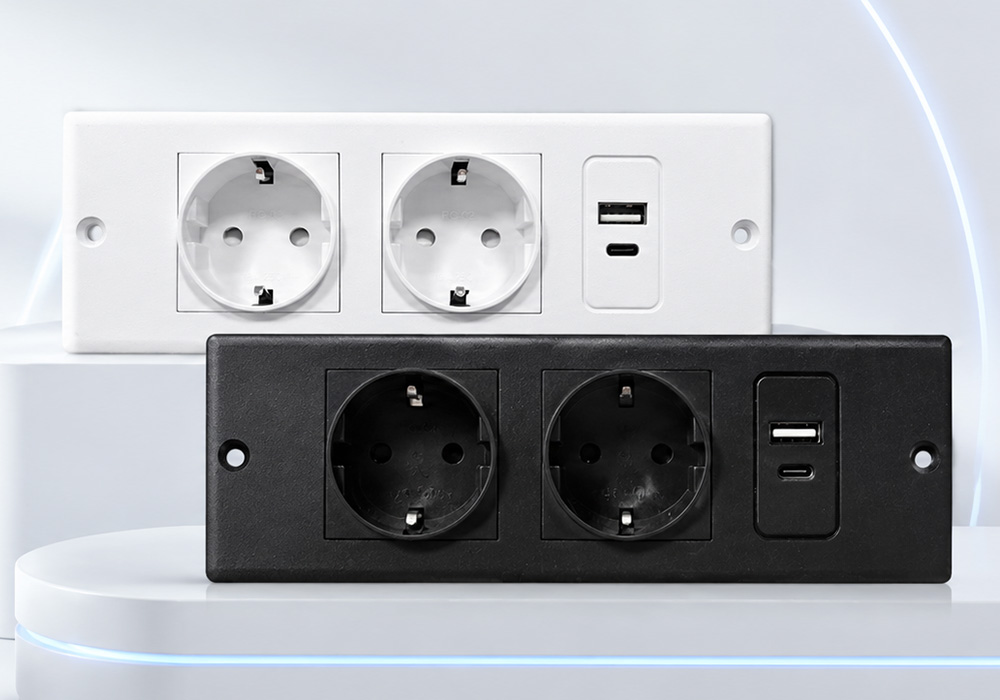

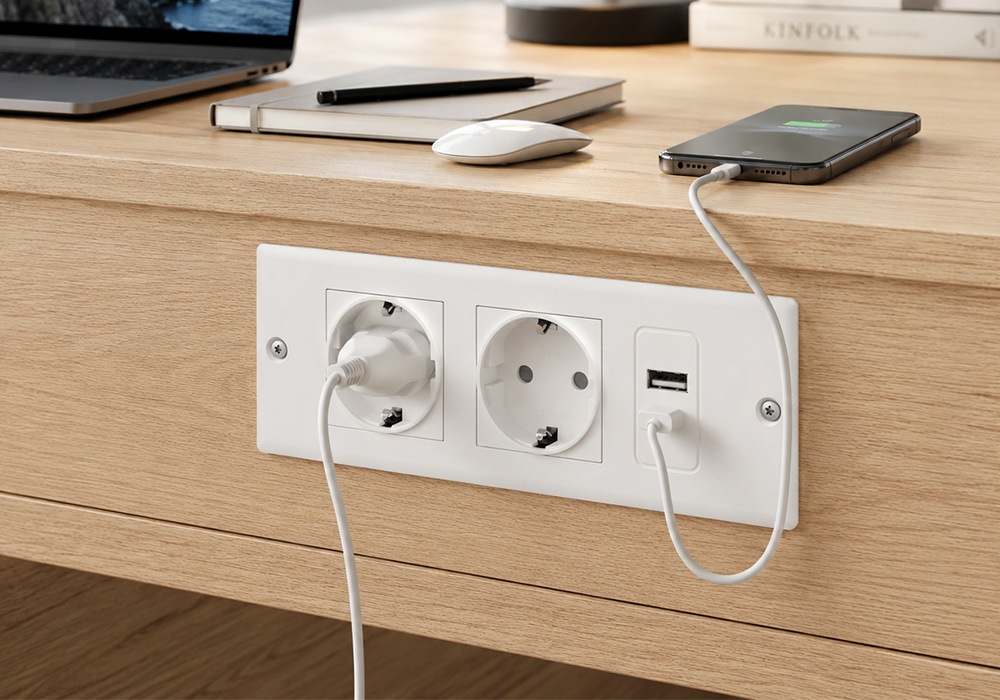
The compliance framework for electrical products in the EU market is complex, encompassing the Low Voltage Directive (LVD), Electromagnetic Compatibility (EMC) Directive, RoHS (environmental/hazardous substances) regulations, the General Product Safety Regulation (GPSR), and the Ecodesign (ErP) Directive. When sourcing products for the European market, many buyers focus solely on the appearance—ensuring the device features a standard European two-pin plug—while overlooking critical components such as power circuitry, filtering, insulation, and the entire wiring harness. This oversight often leads to shipments being seized at customs, the invalidation of CE compliance reports, or failure to pass factory audits by major retailers. The MJE22 series by Shenzhen Fentesi Technology Co., Ltd. offers a standardized power supply solution tailored for the 27 EU member states. Designed for the 230V/50Hz European power grid, it is suitable for a wide range of applications, including solar energy storage units, solar-powered fans, Bluetooth-enabled aromatherapy devices, automotive electronics, health/massage/beauty equipment, and various custom wiring harnesses. The entire solution is developed in strict accordance with the CE compliance framework, addressing a common pain point for buyers: while it is easy to swap a plug, ensuring the entire device remains compliant is a significant challenge.
The core technical logic behind the MJE22 series: The standard European power supply (230V/50Hz) differs fundamentally from the North American standard (120V/60Hz) in terms of transformer turn ratios, filtering parameters, voltage withstand ratings, and safety clearance distances. The MJE22 is not merely a product fitted with a European two-pin plug; rather, the entire electrical system—including the power board, input filtering, insulation structure, power wiring, and protection circuitry—is designed to meet standards such as EN 62368-1, EN 55032, and EN 55035. For Bluetooth-enabled products, the design also ensures compliance with the Radio Equipment Directive (RED). Furthermore, the wiring harnesses are specialized for different environments: standard versions for indoor use, UV-resistant versions for outdoor solar applications, and oil-resistant, vibration-proof versions for automotive use.
Technical considerations for product selection by category:
Solar energy storage products (including energy storage units, solar-powered televisions, and solar-powered fans): Driven by strong demand for camping and off-grid living in Europe, energy storage power systems fall under the category of products subject to strict LVD oversight. For the MJE22 energy storage version, key areas for verification include high-voltage isolation gaps, BMS (Battery Management System) protection integration, and input surge protection. Furthermore, the EU’s ErP (Energy-related Products) directive imposes strict limits on standby power consumption; many products that have undergone design modifications fail to meet these standards, effectively barring them from major retail channels. The Fentesi MJE22 energy storage solution is calibrated to comply with EU ErP requirements regarding standby power consumption and conversion efficiency. Its accompanying UV-resistant solar wiring harnesses are designed to withstand extreme outdoor temperatures and precipitation, making them ideal for residential garden and RV-based photovoltaic energy storage applications.
For health, wellness, and beauty devices—such as pulse oximeters, sleep monitors, magnetic shoulder massagers, and facial cleansing/skincare infusion devices—the focus varies based on whether the product incorporates motors, heating elements, or sensor-based data acquisition. For motor-driven massagers, the priority is controlling conducted EMC (electromagnetic compatibility) to prevent interference with nearby household appliances. Pulse oximeters and sleep monitors are sensitive to power supply noise; the MJE22 features multi-stage filtering to minimize such noise and its impact on signal acquisition. For beauty and skincare devices that come into direct contact with human skin, rigorous leakage protection and insulation testing are applied to ensure compliance with LVD (Low Voltage Directive) requirements for shock prevention.
Products featuring Bluetooth connectivity or ambient lighting—such as Bluetooth speakers, aroma diffusers, lawn lights, and motion-sensor wardrobe lights—must comply with the RED (Radio Equipment Directive) in addition to LVD and EMC standards. In the MJE22 Bluetooth-enabled solution, the RF (radio frequency) and power supply components are tuned in coordination to prevent power-related interference that could otherwise cause Bluetooth disconnections or reduced operating range. For outdoor products like lawn lights, the wiring harnesses utilize UV-resistant, anti-aging materials.
Regarding automotive electronics and wiring harnesses—including vehicle lighting, push-button start switches, automotive wiring harnesses, Type-C data cables, and internal device wiring—the focus extends beyond electrical parameters to include temperature resistance, oil resistance, and vibration tolerance. MJE22 automotive wiring harnesses undergo fatigue testing based on actual vehicle operating conditions. For standard data cables and internal wiring, hazardous substances are strictly controlled in accordance with RoHS regulations, with full material declarations provided.
For the procurement of the MJE22 version, the following technical documentation and sample testing requirements must be verified:
- Confirm the composition of the CE documentation for the complete unit: LVD (Low Voltage Directive) safety report and EMC (Electromagnetic Compatibility) report. If the product includes Bluetooth wireless functionality, a RED (Radio Equipment Directive) report is also required.
- Verify the specifications on the nameplate: Ensure that the AC230V 50Hz rating, technical parameters, and warning statements comply with EU requirements for multilingual labeling.
- Audit the Bill of Materials (BOM) for critical components: Obtain certification documents for capacitors, transformers, fuses, and wiring/cables. Major retail chains often request the BOM during factory audits.
- For energy storage or high-power products, a temperature-rise test report is mandatory to ensure that temperatures remain within safe limits during long-term, full-load operation.
- For outdoor products, confirm the Ingress Protection (IP) rating and records of UV-resistance/aging tests.
- For custom wiring harnesses, clearly specify the conductor cross-sectional area, insulation material, terminal crimping standards, and the sampling plan for continuity and withstand-voltage testing.
Common Technical Misconceptions in Procurement:
Misconception 1: Assuming a single CE certificate applies to all products. CE certification is issued for a specific complete unit model; any changes to the power supply board or wiring render the certificate invalid, leading to non-compliance during subsequent market surveillance. The Fentesi MJE22 model corresponds to a specific, integrated electrical design, with certificates that match each individual unit.
Misconception 2: Believing that a wide-input-voltage power supply board paired with a European-style plug is sufficient for export to the EU. While a wide-input board may be compatible with various input voltages, it does not guarantee compliance with EN standards for EMC, temperature rise, or insulation—often resulting in failure during third-party testing.
Misconception 3: Focusing solely on RoHS while overlooking the GPSR (General Product Safety Regulation). The GPSR strengthens manufacturer responsibilities, requiring comprehensive technical documentation and risk assessment reports. Products lacking a risk assessment may be removed from the market by regulatory authorities, even if they possess a CE mark.
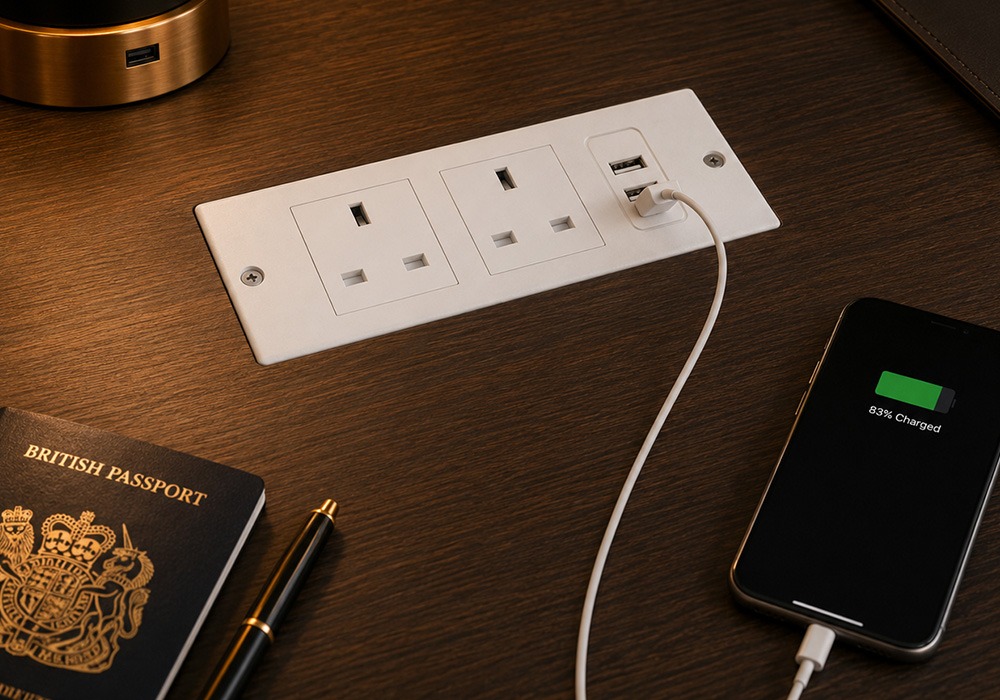
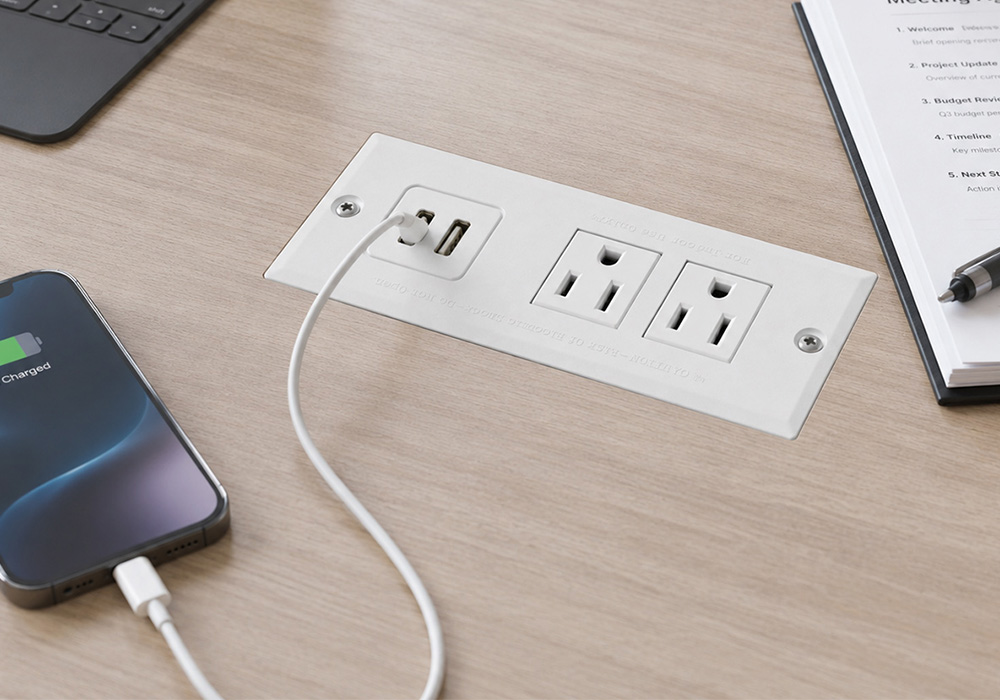
The Fentes MJE22 solution offers a flexible supply chain configuration: existing standard products can be adapted to MJE22 specifications, and components such as DC power cables, solar wiring harnesses, and internal equipment wiring can be custom-tailored. During the R&D phase, the design can incorporate provisions for both the MJE22 (North American standard) and MJB22 (British standard) configurations. A single set of molds can thus support three major regional markets, helping clients reduce tooling costs and shorten sample lead times. We can also collaborate with the purchaser’s engineering team by providing schematics, risk assessment documentation, and pre-test data, assisting clients in meeting the technical audit requirements of EU retailers and importers.